Best Surfaces to Soft Wash Around Port Macquarie Homes
Port Macquarie’s coastal humidity, regular rainfall and shaded gardens create favourable conditions for algae, mould and other organic growth on exterior surfaces. Soft washing uses low-pressure application and surface-appropriate cleaning solutions to loosen contamination without relying on aggressive water pressure. It is particularly useful for finishes that can crack, erode or admit water when pressure washed incorrectly.
Not every surface or stain suits the same treatment. The safest approach starts with identifying the material, checking its condition and following the manufacturer’s cleaning instructions.
Painted Weatherboards and Exterior Cladding
Painted timber weatherboards, fibre-cement cladding and many vinyl cladding systems are good candidates for soft washing when their coatings and joints are sound. Gentle cleaning can remove surface grime and organic growth while reducing the risk of paint stripping or water being forced behind boards.
Before cleaning, inspect for peeling paint, rotten timber, open joints and damaged seals. Repairs should come first. Keep spray directed away from ventilation openings, electrical fittings and gaps around windows, and avoid spraying upwards beneath overlapping boards.
Rendered Walls and Painted Masonry
Rendered walls often develop green staining in damp, shaded areas, particularly beside garden beds or beneath eaves. Soft washing can clean these areas with less risk of gouging the finish than high-pressure cleaning.
Check for cracks, hollow or loose render, and deteriorating paint before treatment. Test an inconspicuous area first because coatings and coloured finishes vary in chemical resistance. White, powdery salt deposits are not algae and need a separate assessment rather than simply a stronger wash.
Suitable Roof Surfaces
Some concrete tile, terracotta tile and coated metal roofs can be cleaned using low-pressure methods, provided the roof manufacturer permits the process. Chemical compatibility matters: an unsuitable product or concentration can damage coatings, metals, fixings or surrounding materials.
Roof cleaning requires appropriate access equipment and fall protection. Avoid walking on fragile tiles, and never direct water beneath roof laps. Where gutters feed a rainwater tank, arrange suitable isolation and diversion before cleaning, following tank and cleaning-product guidance before reconnecting.
Suspected asbestos-containing roofing or cladding requires https://damiencsvm651.ironwoodscope.com/posts/8-areas-homeowners-often-forget-during-exterior-cleaning specialist assessment. Do not pressure wash, scrub or attempt DIY cleaning of these materials.
Eaves, Soffits, Fascias and Gutter Exteriors
These sheltered surfaces collect cobwebs, airborne dirt and mildew. Controlled soft washing or gentle hand cleaning can refresh intact painted finishes without blasting water into the roof space.
Around soffit vents, lights, security cameras and electrical equipment, targeted cleaning is safer than broad spraying. Cleaning the outside of gutters does not remove internal blockages; leaf litter and downpipe obstructions need separate attention.
Timber Decks, Fences and Pergolas
Sound timber can benefit from low-pressure cleaning, but it needs a timber-compatible product and careful application. Strong solutions or excessive pressure can discolour wood, raise the grain or damage nearby metal hardware.
Test first, rinse as directed and allow timber to dry adequately before applying oil or stain. Weathered decking may also need a dedicated timber cleaner or brightener rather than a general exterior house wash.
Surfaces That Need a Different Approach
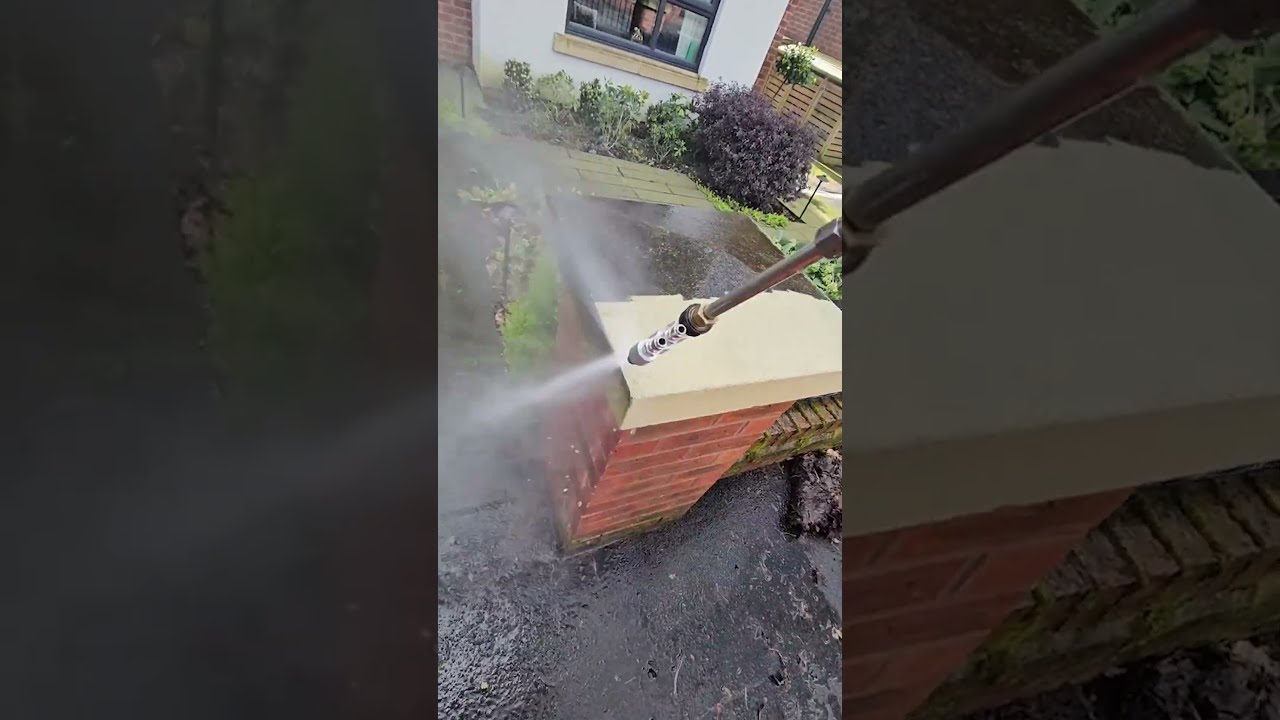
Concrete driveways and some durable pavers may respond better to controlled pressure cleaning, sometimes combined with a suitable pretreatment. Natural stone, deteriorating mortar, unsealed porous materials and damaged coatings need individual assessment. Soft washing is not automatically safe simply because the water pressure is low.
Practical Preparation for Port Macquarie Properties
- Close windows and doors, move outdoor furniture and bring pets indoors until the treated area is safe.
- Identify delicate plants, fishponds, rainwater connections and stormwater drains before work begins.
- Ask how cleaning solution and wash water will be contained or managed to prevent pollution of drains and local waterways.
- Choose calm conditions and follow product directions for application, contact time and rinsing; do not let solutions dry on sensitive surfaces.
- Check shaded walls and areas beneath trees regularly, and clean according to visible growth and surface condition rather than a fixed schedule.
For local homes, the best soft washing method balances effective cleaning with protection of coatings, gardens and waterways. Ask your contractor to explain the proposed treatment for each material, including any areas that require repairs, hand cleaning or a different process.
Port Macquarie Pressure Cleaning Pros
(02) 5504 5426